Oregon Greens

Operator readiness

Build the systems that make the next market easier to survive.

Built for founders and operators who need a sharper operating base before market pressure, federal change, or margin compression forces the issue.

Operator brief updated March 25, 2026
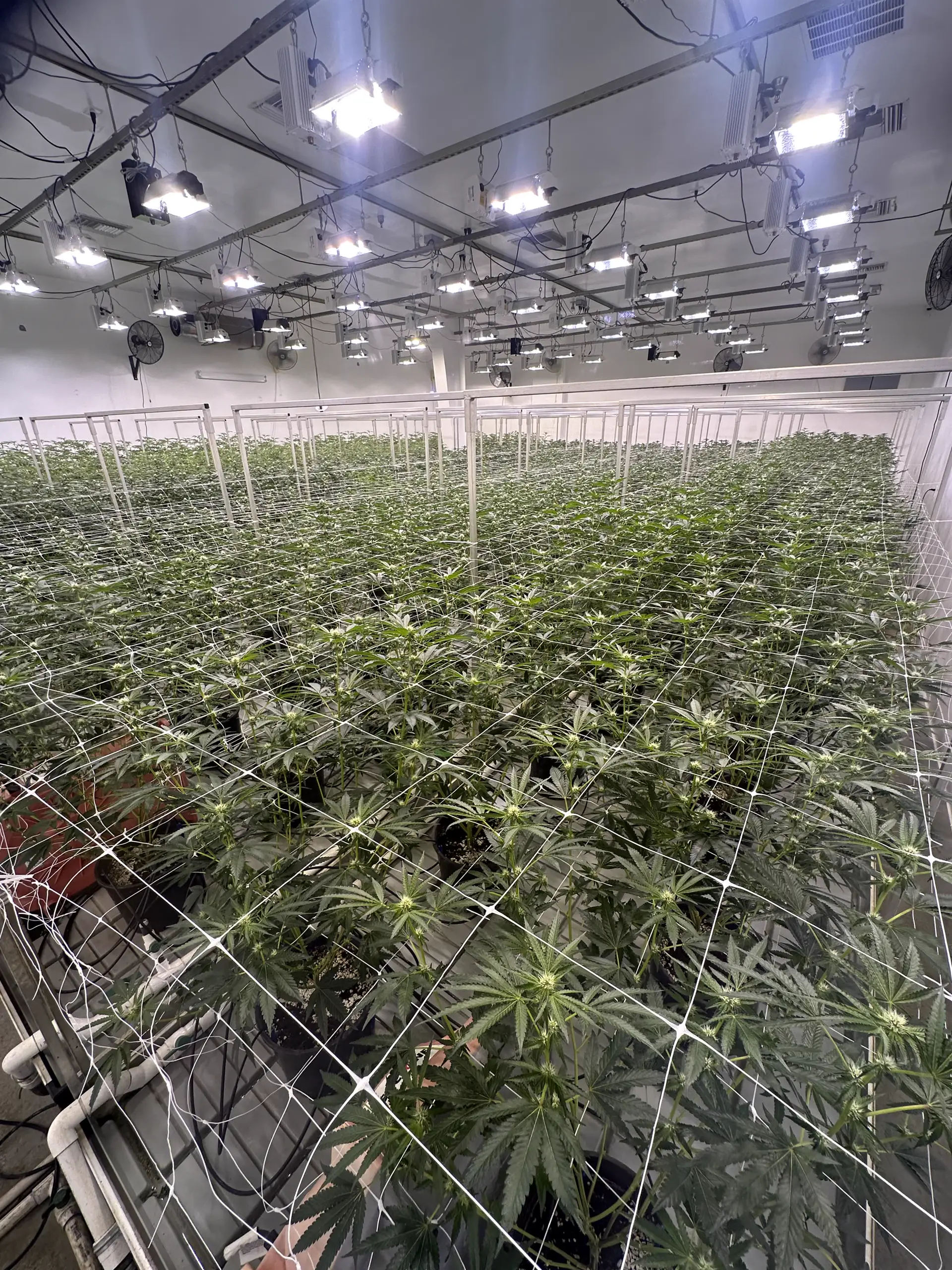
Wide view of a mature indoor cannabis flowering room at Oregon Greens with dense canopy and overhead grow lights

Best fit

Built for startups, resets, and hard-market operators who need practical change.

Service lines

4

Practical advisory lanes built around startup, cultivation, profitability, and market positioning.

Readiness pillars

4

The operating areas most likely to matter as cannabis markets keep evolving.

Updated

March 25, 2026

Updated to reflect the current advisory focus, market conditions, and operator priorities.

First read

Where pressure lands.

Structure, margin, or future planning.

Founders and new operators

The business still needs a clean operating backbone.

For teams that need SOPs, handoffs, and operating priorities before growth magnifies weak structure.

Open readiness checklist

Hard-market operators

Margin pressure is exposing weak systems.

For teams already moving product but needing stronger commercial discipline and focus.

Open brief modules

Future-state planning

The business needs to travel into the next market.

For leaders preparing for federal change, more competition, or a heavier compliance burden.

Open future-market planning

What the brief covers

Systems operators tighten first.

Portable systems

SOPs, post-harvest discipline, COA tracking, and operating records that can hold up under growth or state expansion.

Brand clarity

A sharper product story, better cultivar presentation, and less generic menu language for mature competitive markets.

Commercial discipline

Margin-aware product, packaging, and retail decisions treated as one commercial system.

Readiness checklist

The shortest useful list.

Systems before scale

These checks tighten the backbone of the business before growth, hiring, or expansion magnify weak structure.

Document SOPs, handoffs, and quality checkpoints

Match COAs, batch metadata, and published product detail

Tighten packaging, shelf story, and retailer-facing materials

Market before expansion

These checks help operators treat margin pressure, public proof, and future market change like system work, not side projects.

Prepare for staged market change

Build advisory and operating decisions around margin discipline

Planning for the next market

Federal movement matters when the business is already organized.

Operators get more leverage when the brand, operations, data, and commercial story are portable.

Make the brand portable

01

Own the name, visual system, packaging logic, strain architecture, and retail story now so the brand is easier to extend across new markets later.

Standardize operations

02

Document SOPs, handoffs, quality checks, and post-harvest standards in a way that can survive hiring, growth, and multi-state adaptation.

Treat data like infrastructure

03

Keep cultivar records, COAs, inventory logic, and performance signals organized so decisions can move faster as markets open.

Build for staged federal change

04

The next shift may come through research expansion, tax relief, banking access, rescheduling, or selective interstate pathways before full normalization.

How work starts

Brief first, conversation after.

90 minutes

Engagement

Strategy session

A focused working session for a founder or operator who needs clarity on the immediate priority, the real bottleneck, or the shape of a bigger engagement.

1 to 2 weeks

Engagement

Operational audit

A tighter review of systems, team flow, and quality pressure points with a prioritized action plan.

2 to 6 weeks

Engagement

Implementation sprint

A hands-on push for a specific objective such as SOP cleanup, launch preparation, packaging discipline, or cultivation workflow reset.

Monthly

Engagement

Advisory retainer

Ongoing operator support for teams that need a trusted outside perspective through shifting markets, staffing, and regulation.

Download and next step

Download the brief, then start the conversation.

The brief gives the starting point. The intake should focus on the actual operating pressure.

Bring to the first call

The current bottleneck or pressure pattern causing the most drag

One system, handoff, or commercial area that already feels fragile

The next market, margin, or staffing change the business is trying to survive

Oregon Greens team members posing outdoors in front of rock formations with a dog